Stretch wrap vs shrink wrap
Stretch wrap holds a load by its own elastic tension and is wrapped by hand or by machine. Shrink wrap goes on loose and is tightened with a heat gun or a heat tunnel.1 For pallets, you almost always want stretch wrap.
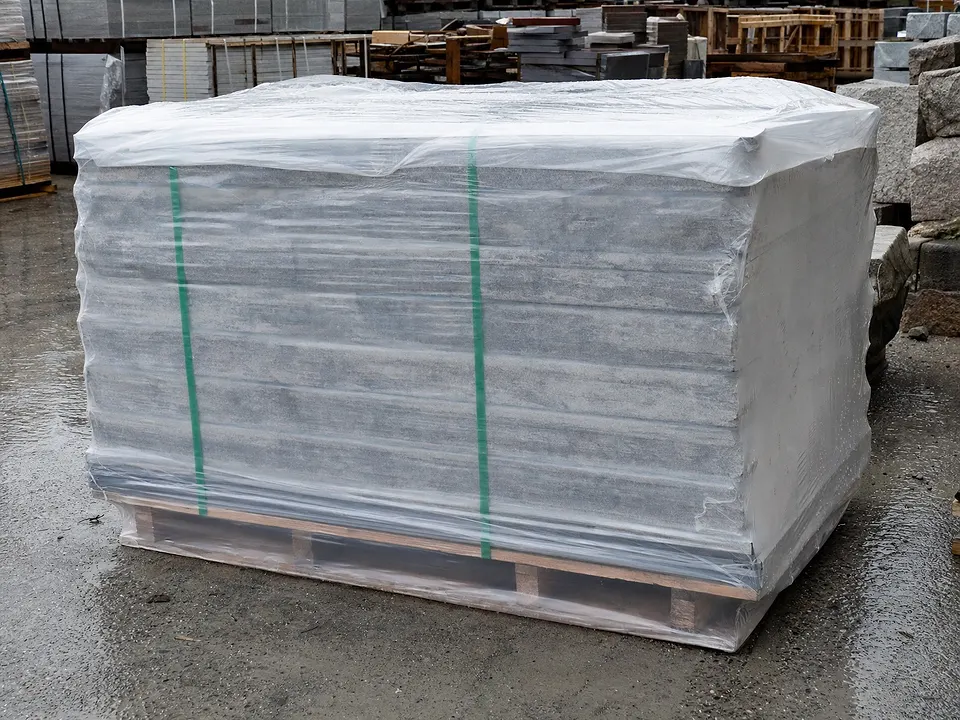
The difference in one table
| Stretch wrap | Shrink wrap | |
|---|---|---|
| Tightens by | Its own pull as it is stretched | Heat |
| Equipment | Hands, a dispenser or a wrapper | Heat gun or heat tunnel |
| Stretch | 25–100% by hand, 150–350% by machine | Little |
| Typical use | Holding pallet loads together | Sealing products, bundles, covers |
| Heat tunnel | Can't go through one | Needs one, or a gun |
The stretch figures come from Colony Packaging;2 the heat and equipment rows from Industrial Packaging.1
Why pallets use stretch
A pallet needs to be held, not sealed. Stretch film does that with nothing but a roll and a person, or a wrapper. It goes on in seconds, it can be torn off at the receiving dock, and one roll covers many loads. Industrial Packaging puts hand dispensers at about $50 to $100 and stretch wrappers from about $2,400 up to $250,000;1 shrink needs heat equipment and a flame or a tunnel on the dock.
Where shrink wins
Shrink film makes a tight, sealed skin. That's what you want round a multipack of bottles on a packing line, round a single product for retail, or as a cover pulled over a pallet that will sit outdoors. On pallets, that last case is the one that counts: see shrink pallet covers.
What heat brings onto the dock
Shrinking a pallet cover means a heat gun, often fired by propane, or a tunnel the pallet passes through. That is an open flame or a hot surface in a building full of cardboard and wooden pallets, so sites that shrink-wrap usually set aside an area for it, keep it clear of stored goods, and train the people who do it. Your insurer and local fire rules may have something to say too. None of that applies to stretch film, which is part of why most warehouses never use shrink at all.
Telling them apart in your hand
Pull a strip off the roll. Stretch film gives a long way, thins as it goes, and clings to itself when you let it touch. Shrink film barely gives and doesn't cling. The roll is a clue too: stretch film for pallets comes as narrow rolls for a dispenser or a carriage, while shrink film for pallets usually comes as wide sheeting, tubes or ready-made bags.
Getting it off at the other end
Stretch film comes off a pallet with a safety cutter in a few seconds and goes into a recycling bale with other clean film. A shrunk cover takes more cutting, because it has been fused tight round the load and its base, and the cut has to avoid the product underneath. If the pallet will be opened at a busy receiving dock, that difference adds up.
Why the words get swapped
Both are clear plastic films that end up tight round something. Plenty of people call any pallet wrap "shrink wrap", and plenty of shops sell under both names. If you searched for pallet shrink wrap and you wrap pallets by hand or on a turntable, the roll you want is stretch film: start with hand film or machine film.

Mixed sites
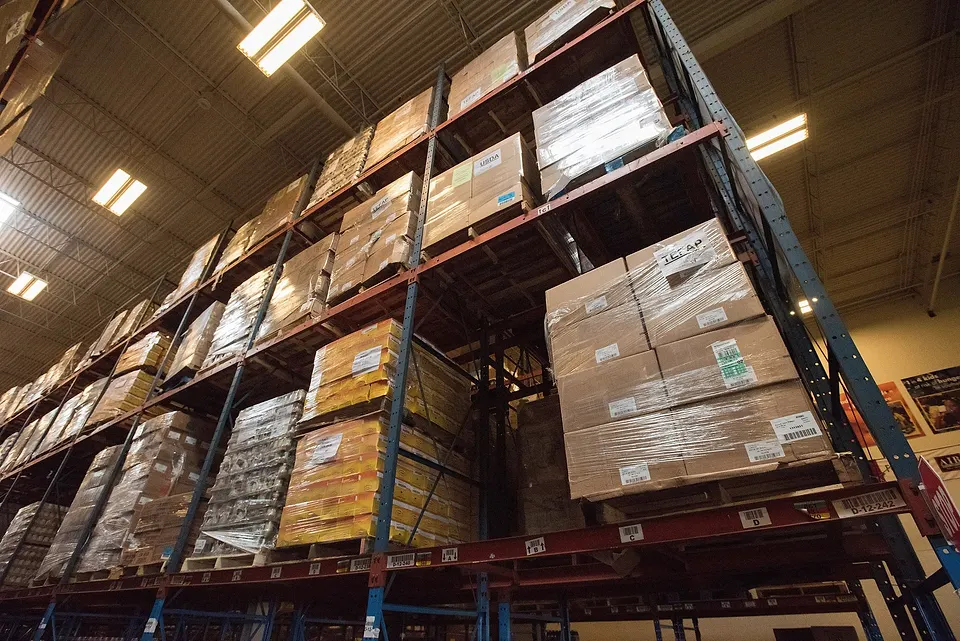
Many plants use both: shrink film on the packing line to bundle products into multipacks, then stretch film at the end of the line to hold those packs on a pallet. They do different jobs, and one rarely replaces the other. If your question is which to buy for pallets, the answer is stretch; if it is which to buy for bundling cans into six-packs, it is shrink, from a supplier of line film.
Waste and recycling
Both films are usually polyethylene, and both can be recycled if collected clean. Stretch film comes off in long clean sheets that bale easily. Shrink covers are thicker, often printed or coloured, and come off in pieces cut round the load, which some recyclers accept and others don't. A site moving from covers to stretch film usually finds its film bales cleaner and easier to place.
Speed on the dock
A practised operator stretch-wraps a pallet by hand in a minute or two, a turntable faster. Fitting and shrinking a cover takes longer and needs two people for tall loads.
Questions readers ask
- Can stretch film be shrunk with a heat gun?
- Not usefully. Heat softens and weakens stretch film rather than tightening it into a skin, and it can melt holes in it. If a load needs shrinking, it needs shrink film.
- Which is better for keeping dust off?
- A sealed shrink cover keeps dust out on all five sides; stretch film leaves the top open unless you add a top sheet. For a few days indoors, stretch film plus a sheet is usually enough.
- Do retailers accept either?
- Most routing guides simply ask for loads to be secured with clear film, and stretch wrap meets that. A few ask for specific colours or for no film on certain goods; check the guide.
- Is shrink film thicker?
- Pallet covers are usually much thicker than pallet stretch film, which is part of why they cost more and protect better outdoors.
- Is shrink film more tamper-evident?
- A sealed cover shows tampering clearly. Stretch film can do the same with a printed security tape or label across the tail.
Sources
- Industrial Packaging, "Difference between shrink and stretch film" (reviewed 2026-11-13)
- Colony Packaging, "4 differences between stretch film and shrink film" (reviewed 2026-11-13)
Facts on this page last reviewed 2026-11-13.