Stretch wrap for pharmaceutical shippers
Pharmaceutical pallets are usually light and valuable: cartons of small packs, labelled and tracked at every step. Pharmaceutical and medicine manufacturing employed 350,886 people across 7,786 US establishments in 2025.1 New Jersey has the second-largest share, and there it is 3.1 times its national weight in employment.2
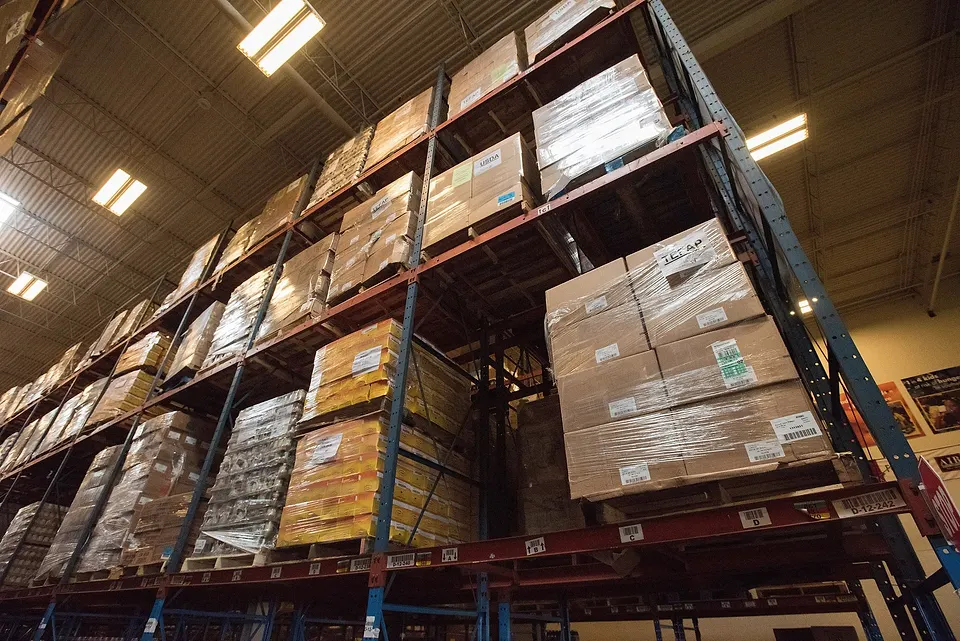

The loads, and the film for each
Start from what is on the pallet.
Cartons of packaged medicines
Cast film, 63 to 80 gaLight, square cases; clear film so labels and codes scan through it.
High-value or sensitive loads
Black or opaque filmHides what is on the pallet between plant and pharmacy.
Temperature-controlled shipments
Cold-rated filmCheck the film is rated for the temperatures it will see.
Where the industry is
States with the most jobs in it, BLS QCEW 2025.
- California42,575 jobs
- New Jersey30,062 jobs
- North Carolina26,998 jobs
- New York25,087 jobs
- Illinois24,257 jobs
US total in pharmaceutical and medicine manufacturing: 350,886 private jobs across 7,786 establishments, 2025 annual average.1
Scanning, security, or both
Clear or opaque is the first decision.
Clear cast film keeps barcodes and serial labels readable without cutting the wrap, which suits a supply chain that scans every pallet. Opaque film does the opposite: nobody can see what is on the pallet, which some shippers want for high-value goods. If you use opaque film, labels go on the outside after wrapping. Around Indianapolis, pharmaceutical manufacturing is 6.4 times its national share of jobs; see Indianapolis.
Temperature-controlled shipments
Film is the outer layer, not the control.
Medicines that must stay cool travel in insulated shippers, in refrigerated trucks or under thermal pallet covers; stretch film holds those packs together but does nothing for temperature. Wrap so that any data logger or indicator on the pallet stays readable, and don't wrap over vents on an active container. Some shippers apply a tamper-evident label across the film tail so a broken wrap is obvious at receiving. Light cartons crush easily, so keep wrap force low and rely on enough turns.
Serialised cartons
Scanning through the wrap.
Prescription medicines in the US carry serial numbers that are scanned along the supply chain. Pallet labels and carton codes need to scan quickly at receiving, which is one more reason to wrap in clear cast film and keep layers few over label areas.
Where pallets enter controlled areas, film is often removed at an airlock. Clean, intact film eases that. Say in the request if pallets are unwrapped at an airlock, so the film suggested is one that cuts cleanly and leaves no loose strands.
Questions from these docks
- Does opaque film cause trouble at receiving?
- Only if labels are under it. Put shipping and lot labels on the outside after wrapping.
- Is a light gauge enough for cartons of medicines?
- Usually: these are light, square loads. The gauge chart's lighter steps suit them.
- Do over-the-counter products need special film?
- Rarely. Consumer health products ship to retailers like other boxed goods; clear film and outside labels are usually enough.
Sources
- BLS QCEW 2025, pharmaceutical and medicine manufacturing (NAICS 3254) (reviewed 2026-11-12)
- BLS QCEW 2025, all private industries (reviewed 2026-11-12)
Facts on this page last reviewed 2026-11-13.
Ask for a stretch film quote
Say clear or opaque, the carton size and the pallets a month; mention any temperature range.
- Step 1 asks what you need, how much a month, the delivery ZIP and how to reach you
- Step 2 asks the film, the width and the gauge; skip what you don't know